
Fats - useful or harmful
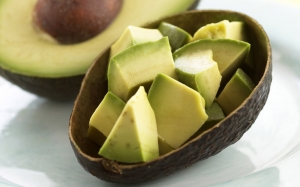
Fats are one of the main components present in all foods. They are composed mainly of carbon, hydrogen and oxygen. They oxidize to carbon dioxide and water, thereby producing energy.
Basic properties of fats:
• participate in the absorption of fat soluble vitamins A, D, E, and others;
• prevent loss of internal heat;
• support nerve and brain function;
• participate in the maintenance of the required body temperature.
Fats are divided into two main types - saturated and unsaturated fats and are composed mainly of fatty acids and glycerol.
• Animal fats contain mostly saturated fatty acids.
• Vegetable fats contain mostly unsaturated fatty acids.
Essential or vital fatty acids in the body, which are not synthesized naturally in the body, must be obtained through food. These are essential fatty acids, which are three basic types - linolenic, linoleic and arachidonic acids.
Linolenic acid is vital and essential for healthy skin and hair.
Linoleic acid promotes neural and brain activity.
Arachidonic acid preceded the formation of substances that are involved in regulating many life processes of the platelets, prostaglandins and other.
The main essential fatty acids are Omega 3 and Omega 6.
Omega 3 fatty acid is found mainly in the meat food, particularly in fish oils and in some plant products such as flax, hemp, wallnuts, in a minimum amount and in some fruits, such as strawberries.
Omega 6 fatty acid found in many vegetables, fruits, nuts and seeds. Under normal organ functions in the body, the body converts Omega 6 to Omega 3.
Another important product of fat is cholesterol. It is present in the blood and in most tissues in the human body and is essential for the nervous system. Cholesterol and its derivatives are an important part of cell membranes. Adrenal glands use cholesterol to produce corticosteroids, which have anti-inflammatory functions to protect the body. The increase of cholesterol in the body means that there is inflammatory process and some high acidity. There is good and bad cholesterol.
Fats that raise cholesterol levels in the blood are found in meat, dairy products , lard, butter, palm oil.
Fats that lower cholesterol levels in the body are olive oil, corn, sunflower and other vegetable oils .
Consumption of large amounts of acid-forming food with complex structures of fats, proteins and carbohydrates (such as animal products, milk, cereal and nuts) , causes an increase in acidity in the body. The result is inflammation and death of the cells. All necessary fats for the body are present in fresh and clean fruits, vegetables, seeds and nuts.
Several recommendations from the team of Vita Rama regarding fat consumption:
• Never buy or use refined or heat-treated fats and pasteurized butter. They are filled with chemical preservatives, pesticides and turn rancid quickly. They contain no beneficial ingredients for the body. Buy organic cold pressed oils that have proven quality of origin.
· Never cook your food with fat. When heated fats change their structure and form carcinogenic substances that harm the liver, kidneys and act detrimental to the whole body.
• Add cold pressed oils or butter at the end, after the food is cooked.
• Fats are best absorbed with leafy green vegetables or sour fruits.
• Good sources of these fats are the following plant foods: avocado, flax, sunflower, sesame, hemp, walnuts, almonds and more.
The human body needs a minimum amount of fat. When the fat is mixed with protein and carbohydrate digestion slows, and this interferes with the absorption of essential nutrients.
Therefore use fat in moderation.
If you want to learn how to eat and live a fuller, healthier and more successful life, sign up for health programs, seminars and workshops of Health Center Vita Rama!
All rights reserved. Terms and conditions.
 +359 890 90 59 90
 info@vitarama.eu


